For wholesale buyers, choosing the right frozen tilapia size is about more than the weight of an individual fish. Size affects customer preferences, portion planning, storage, packaging, and how efficiently a shipment moves through the distribution chain. Retail seafood markets may prefer smaller fish, while restaurants, foodservice operators, and other buyers may require larger grades.
Common frozen whole tilapia size grades include 100–200g, 200–300g, 300–500g, 500–800g, and 800g+. The best choice depends on the target market, intended use, and specifications agreed upon with the supplier.
DINHOLG supplies wholesale frozen whole tilapia fish with multiple weight grades and IQF/BQF freezing options. These specifications give international seafood buyers a practical starting point when comparing products for bulk purchasing.
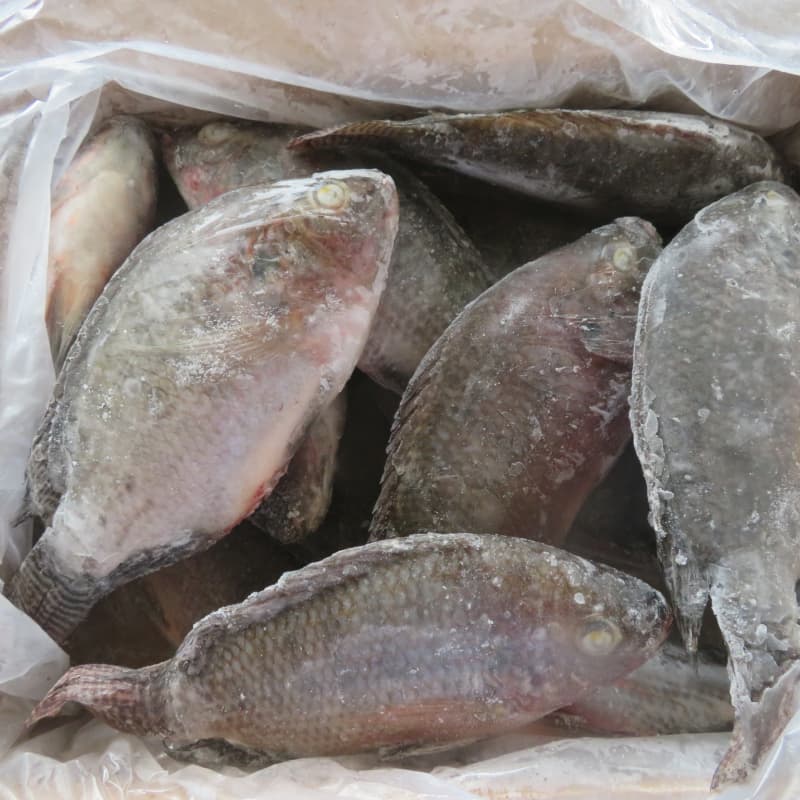
This guide explains common weight ranges, their potential applications, and the key questions buyers should clarify before placing a wholesale order.
What Are the Standard Frozen Tilapia Size Grades?
Frozen whole tilapia is commonly sold according to the weight of each fish. However, grading ranges are not completely standardized across every supplier or destination market. Buyers should confirm available grades and acceptable weight tolerances before signing a purchase contract.
The following weight options are listed for DINHOLG's frozen whole tilapia product:
| Weight Grade | Potential Market Use | What Buyers Should Check |
|---|---|---|
| 100–200g | Small-fish retail channels and market-specific demand | Local size preferences and selling price |
| 200–300g | Smaller whole-fish portions and traditional seafood markets | Customer portion expectations |
| 300–500g | General wholesale distribution and selected foodservice applications | Demand volume and preferred presentation |
| 500–800g | Larger whole-fish sales and selected catering requirements | Portion size, cooking method, and market price |
| 800g+ | Markets that specifically prefer larger whole fish | Actual weight range and buyer acceptance |
These applications are general purchasing considerations rather than fixed industry rules. The most suitable grade should be determined by the buyer's customers and local market requirements.
Which Frozen Tilapia Size Is Best for Wholesale Distribution?
There is no single size that works best for every distributor. A wholesaler serving traditional seafood markets may need a different specification from a supplier serving restaurant groups or supermarkets. Understanding the sales channel first helps prevent purchasing the wrong grade.
Smaller grades, such as 100–200g and 200–300g: These grades may suit markets where customers prefer smaller whole fish or where selling price and individual portion size influence purchasing decisions. Buyers should confirm that local demand supports these sizes.
Medium grades, such as 300–500g: This range can be a practical option for wholesalers serving a broad customer base. It may offer flexibility for traditional markets, retail distribution, and selected foodservice applications. Actual demand varies by country and sales channel.
Larger grades, such as 500–800g and 800g+: These sizes may be more suitable for buyers whose customers specifically request larger whole fish. Before ordering, importers should confirm acceptable weight variation and whether the target market supports the additional cost.

For businesses importing multiple containers, reviewing sales records by weight grade can help guide purchasing decisions. Starting with sizes that match proven customer demand may reduce the risk of slow-moving inventory.
How Does Fish Size Affect Wholesale Purchasing Costs?
Fish size can influence purchasing decisions, but weight alone does not determine the final cost of a frozen tilapia shipment. Buyers should compare quotations using the same product specifications rather than selecting a supplier based only on the quoted price per kilogram.
Important cost factors include:
- Weight grade: Confirm the individual fish weight range and permitted grading tolerance.
- Processing format: Verify whether the product is supplied whole round or under another agreed specification.
- Freezing method: Confirm whether the order will use IQF or BQF freezing.
- Glazing percentage: Clarify whether the product is supplied with 0%, 10%, or 20% glazing and how net weight is defined.
- Packaging: Check carton weight, packing method, labeling requirements, and whether private-label packaging is needed.
- Shipping and order volume: Consider minimum order quantity, freight, destination requirements, and total landed cost.
For accurate supplier comparisons, calculate the total cost of receiving and distributing the product rather than looking only at the initial quotation. This helps buyers evaluate different size grades, glazing specifications, and packaging arrangements on a consistent basis.
What Should Importers Confirm Before Ordering Frozen Tilapia?
Before purchasing frozen whole tilapia in bulk, importers should provide the supplier with a clear specification. This helps both parties confirm that the product matches the target market and reduces the likelihood of misunderstandings after shipment.
A practical purchasing checklist includes:
- The required fish weight grade and acceptable weight variation.
- The product form, such as whole round tilapia.
- The required freezing method and glazing percentage.
- The carton weight, packaging style, and labeling details.
- The minimum order quantity, production lead time, and shipment schedule.
- The certificates and export documents required by the destination market.
- The agreed inspection procedure and product acceptance criteria.
Buyers should ask for current product specifications and confirm availability for the selected grade. A size range listed on a product page does not necessarily mean every grade is available for immediate shipment at all times.
DINHOLG's broader frozen seafood export business serves international importers, wholesalers, distributors, and foodservice businesses. Buyers can discuss their required grades, shipment quantities, and destination-market specifications before confirming an order.
IQF or BQF: Does the Freezing Method Matter?
Yes. In addition to fish size, the freezing method is an important specification for wholesale buyers. IQF stands for individually quick frozen, while BQF generally refers to block quick frozen. The two methods differ in how the fish is frozen and presented for storage and distribution.
IQF may be useful when individual fish separation is important for handling or stock management. BQF can be suitable for buyers who prefer a block-packed format. The right option depends on the product specification, downstream handling process, and buyer requirements.
Neither freezing method should be selected on its name alone. Buyers should confirm product condition, packing details, storage requirements, and handling instructions with the supplier. Fish size, freezing method, and glazing percentage should all be agreed upon before production.
How Can Wholesale Buyers Choose the Right Tilapia Supplier?
A reliable supplier should be able to explain its available size grades, processing standards, packaging options, and export arrangements clearly. Consistency matters because wholesalers need to serve customers with predictable product specifications across repeat orders.
When evaluating a supplier, ask for the current product specification, confirm the grading method, and establish how the shipment will be inspected. It is also worth discussing order planning, shipment lead time, and the documentation needed for customs clearance in the destination country.
For buyers comparing other frozen seafood options, DINHOLG also lists wholesale IQF frozen catfish and other whole-fish products. Product specifications and available grades should be checked individually before ordering.
Supplier selection should ultimately be based on product suitability, consistent grading, clear documentation, and the ability to meet your required order volume and delivery schedule.
Frequently Asked Questions About Frozen Tilapia Sizes
What are the most common frozen tilapia sizes for wholesale buyers?
Common weight grades include 100–200g, 200–300g, 300–500g, 500–800g, and 800g+. Available grades vary by supplier and order requirements, so buyers should confirm the current specification before purchasing.
Which tilapia size is best for wholesale distribution?
The best size depends on the target market. Medium grades may offer flexibility for general distribution, while smaller or larger grades can be more suitable when local customers have specific preferences. Review customer demand before selecting a grade.
Does larger frozen tilapia always cost more?
Not necessarily in every market or quotation. Price depends on supply conditions, product specifications, processing, glazing, order volume, and delivery terms. Buyers should request comparable quotations for the exact grades they need.
What size grades does DINHOLG offer for frozen whole tilapia?
DINHOLG lists 100–200g, 200–300g, 300–500g, 500–800g, and 800g+ options for its frozen whole tilapia product. Buyers should confirm availability and final grading tolerances when requesting a quotation.
Should I choose IQF or BQF frozen tilapia?
IQF freezes fish individually, while BQF generally uses block freezing. The suitable option depends on handling preferences, packing requirements, and the buyer's distribution process. Confirm the exact method and product format with the supplier.
What details should I provide when requesting a wholesale tilapia quotation?
Specify the weight grade, product form, freezing method, glazing percentage, carton weight, order quantity, destination port, and required export documents. Clear specifications help suppliers provide more accurate quotations.
Can I order several frozen tilapia size grades in one shipment?
This depends on the supplier's production schedule, available stock, minimum order requirements, and container-loading arrangements. Discuss the quantity of each grade before confirming the order.
Choose Frozen Tilapia Sizes Based on Your Market
The most suitable frozen tilapia size is the one that meets your customers' expectations and supports your distribution plan. Smaller grades may fit markets that prefer smaller whole fish, while medium and larger grades can serve different retail, wholesale, and foodservice requirements.
Before placing a bulk order, confirm the weight range, grading tolerance, freezing method, glazing percentage, packaging, and delivery requirements. These details make supplier comparisons more reliable and help reduce the risk of ordering a product that does not match your market.
For wholesale inquiries, buyers can also review DINHOLG's company and seafood supply background before discussing product specifications, order quantities, and shipment arrangements.