When sourcing canned sardines for retail, food service, or wholesale distribution, packaging material is more than a production detail. The can affects product protection, shipping weight, shelf presentation, opening convenience, and the final landed cost. For importers planning a private label range, one common question is whether to use tinplate or aluminum cans.
Both materials can work well for canned sardines, but they are not identical. Tinplate is steel coated with a thin layer of tin, while aluminum cans are made from aluminum-based material. The right option depends on the can format, filling medium, thermal processing requirements, target market, and production volume. Here is what buyers should compare before confirming a packaging specification.
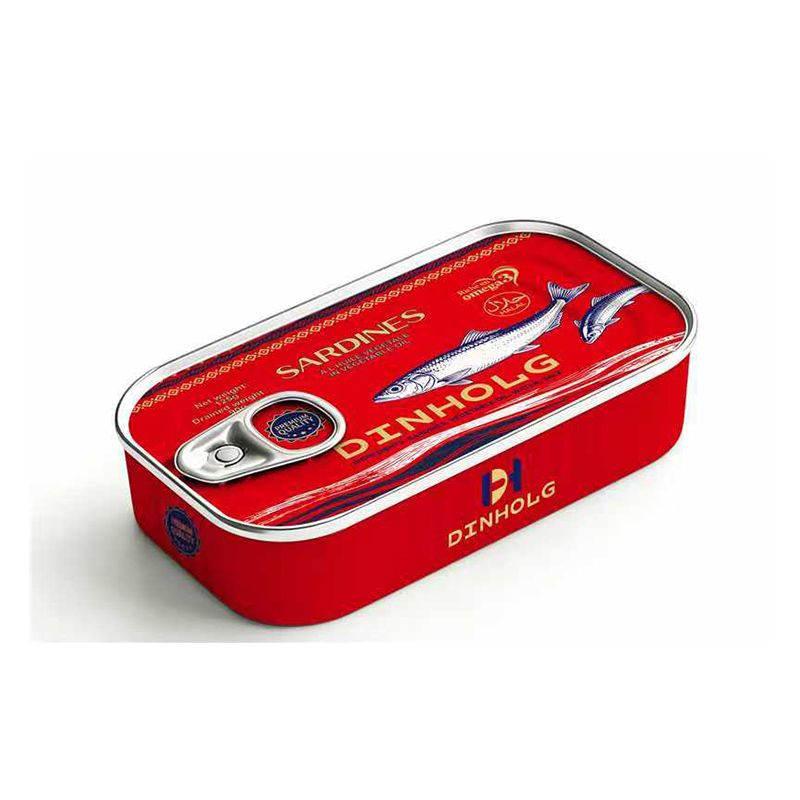
What Is the Difference Between Tinplate and Aluminum Cans?
Tinplate cans use a steel base with a thin tin coating. The steel provides structural strength, while the tin layer helps protect the surface. In food packaging, the can's internal coating is also important because it separates the food from the metal and helps maintain product quality.
Aluminum cans are made from aluminum, a lightweight metal that naturally forms a protective oxide layer. Aluminum is widely used in beverage packaging and certain food can formats. Its suitability for sardines depends on the specific can design, thickness, internal lacquer, sealing system, and processing conditions.
Neither material is automatically better for every canned seafood product. Buyers should compare the finished can system rather than judging the raw metal alone.
Tinplate Cans: Strength and Practicality for Bulk Seafood
Tinplate is a common option for metal food cans because its steel base provides good rigidity. This can be useful for sardine packs that need to withstand filling, sealing, retort processing, stacking, and long-distance shipment.
Advantages of Tinplate Packaging
- Structural strength: Steel-based cans can offer good resistance to handling and stacking loads when correctly designed.
- Established can formats: Tinplate is widely used in traditional food-can manufacturing, making it a familiar option for many canned seafood lines.
- Flexible printed designs: Depending on the supplier and production method, brands can use printed metal surfaces or other label formats.
- Suitable for bulk distribution: A properly specified tinplate can can perform well through normal warehousing and export logistics.
There are trade-offs. Tinplate cans are generally heavier than comparable aluminum formats, which can affect total shipment weight. The steel base also needs appropriate protection from corrosion, especially when the can contains salty, acidic, or otherwise reactive food ingredients.
For buyers considering standard retail formats, review the 125g canned sardines product specification and confirm the available can material, dimensions, and lid options directly with the supplier.
Aluminum Cans: Lower Weight and Corrosion Considerations
Aluminum's main practical advantage is its low weight. For some packaging formats, this can help reduce the weight of empty containers and support easier handling. Aluminum also has good natural corrosion resistance, but that does not mean every aluminum can is suitable for every sardine recipe without an internal protective coating.
Advantages of Aluminum Packaging
- Lightweight construction: Aluminum can reduce packaging weight compared with a similar steel-based can, depending on the design.
- Corrosion resistance: Aluminum forms a natural oxide layer, although food-contact suitability still depends on the full packaging system.
- Convenient opening formats: Certain aluminum can designs can be paired with easy-open ends for retail convenience.
- Modern presentation: Aluminum can support different shapes and finishes depending on the manufacturer's tooling and product range.
However, aluminum cans can dent under certain handling conditions, depending on their shape, thickness, and construction. Not all can sizes or designs are available from every supplier, and a lightweight package is not automatically the lowest-cost option. Tooling, minimum order quantities, sealing specifications, and production compatibility all affect the quotation.
For sardines packed in vegetable oil, tomato sauce, brine, or chili sauce, the can must be evaluated with the actual recipe. The ingredients, salt level, acidity, and thermal process can influence the choice of internal coating and metal packaging system.
Tinplate vs. Aluminum Cans: A Buyer Comparison
| Factor | Tinplate | Aluminum |
|---|---|---|
| Base material | Tin-coated steel | Aluminum-based metal |
| Packaging weight | Generally heavier | Generally lighter |
| Rigidity | Steel base offers good strength | Depends strongly on can design and thickness |
| Corrosion protection | Tin coating and suitable internal lacquer | Natural oxide layer and suitable internal lacquer as required |
| Cost | Depends on steel prices, size, and supply | Depends on aluminum prices, design, and supply |
| Best selection method | Check strength, coating, and line compatibility | Check weight, dent resistance, coating, and line compatibility |
This comparison is a starting point, not a substitute for product testing. The exact performance depends on can dimensions, metal thickness, coating system, lid design, and the conditions used during processing and transportation.
Why Internal Coating Matters for Canned Sardines
When comparing metal cans, buyers sometimes focus on the outer material and overlook the internal coating. For canned sardines, the coating is critical because the product may contain oil, salt, tomato sauce, or other ingredients that interact with exposed metal.
A suitable food-contact coating helps separate the food from the can material and can reduce the risk of corrosion, discoloration, or unwanted changes in flavor. The coating must be compatible with the recipe and the full thermal processing cycle.
Before approving a can, ask the manufacturer to confirm:
- The exact can material and coating specification.
- Suitability for the selected sardine recipe and filling medium.
- Compatibility with the intended retort or thermal sterilization process.
- Food-contact documentation required for the destination market.
- Seam integrity and can performance after processing.

How Can Choice Affect Shipping and Wholesale Costs?
For importers buying canned sardines by the container, packaging decisions affect more than the unit price of an empty can. Buyers need to consider the finished product weight, carton dimensions, stacking performance, container loading plan, and expected handling conditions.
A lighter aluminum can may reduce the weight of the packaging itself, but the overall cost advantage depends on the supplier's quotation and shipping arrangement. Tinplate may offer a suitable balance of strength, availability, and cost for a particular product format. The best comparison is the total landed cost per sellable can, not simply the price per kilogram of metal.
When requesting a quotation, ask suppliers to quote the same net weight, fish specification, sauce, lid type, carton configuration, and order volume. Otherwise, two prices may refer to different products and cannot be compared fairly.
What Should OEM and Private Label Buyers Confirm?
For a private label canned sardine project, packaging decisions should be confirmed before artwork and mass production are finalized. Changing the can format later may affect the artwork dimensions, production setup, case packing, and delivery schedule.
Share the following details with your supplier:
- Target market and sales channel.
- Net weight and preferred can dimensions.
- Recipe, including vegetable oil, tomato sauce, brine, or spicy sauce.
- Preferred metal, lid style, and opening method.
- Printed can design or label requirements.
- Required certificates and food-contact documents.
- Target order quantity, carton configuration, and shipment plan.
Ask for samples or technical documentation before confirming the final specification. A supplier should be able to explain which can formats are available for the product and whether the selected packaging is compatible with its filling and sterilization process.
DINHOLG supplies canned sardines for wholesale and export customers, with product options and private label requirements discussed according to the order specification. Buyers can explore the canned sardine product details when preparing a sourcing inquiry.

Frequently Asked Questions
Are tinplate cans better than aluminum cans for sardines?Not in every case. Tinplate offers a strong steel base, while aluminum is generally lighter. The better choice depends on can design, internal coating, recipe, thermal processing, production compatibility, and total landed cost.
Can sardines in tomato sauce be packed in aluminum cans?Potentially, if the can and internal coating are specifically designed and validated for the product. Tomato sauce can be acidic, so buyers should confirm coating compatibility, food-contact compliance, and thermal process suitability with the packaging supplier.
Do tinplate cans rust?Tinplate uses a protective tin layer, and food cans commonly use additional internal coatings. Corrosion can still occur if the protective system is damaged or unsuitable for the product or storage conditions. Can quality and coating compatibility should be verified.
Are aluminum cans always cheaper to ship?Not necessarily. Aluminum is lighter, but freight cost depends on the finished product weight, carton dimensions, loading efficiency, order volume, and shipping terms. Compare the total cost per sellable can rather than material weight alone.
Can I customize can material and printed packaging for my own brand?Customization depends on the manufacturer's available formats, tooling, minimum order quantity, and production line. Confirm the can material, dimensions, lid type, printing method, and packaging specifications before approving artwork and bulk production.
What documents should importers request for canned sardines?Ask for the product specification, applicable food-contact documentation, food safety certificates, batch traceability information, and export documents required by the destination market. Exact requirements vary by country and should be confirmed before shipment.
Make the Packaging Decision Before Production
Tinplate and aluminum can both be suitable for canned sardines when the packaging is properly designed and validated. Tinplate is worth considering when structural strength and established food-can formats are priorities. Aluminum may be attractive when lower packaging weight or a particular can design is important.
For wholesale and private label buyers, the safest approach is to compare complete packaging specifications alongside product quality, processing compatibility, supply availability, and landed cost. Confirm the details with the supplier, test samples where appropriate, and finalize the packaging before committing to a large production run.