Choosing between wholesale canned fish and frozen whole tilapia depends on what fits your market, not the lowest price. Canned fish gives you a product that stays good on the shelf and is built for long distribution. Frozen whole tilapia delivers a fresh-style protein for large food service. DINHOLG supplies both, so the focus stays on fit, not favoritism.
A practical framework keeps the decision clear. Define your market first. Next, apply product-specific criteria. Then compare each option on performance, fit, compliance, and cost. This guide to buying seafood treats frozen seafood and canned goods as partners, not rivals. Wholesale Frozen Whole Tilapia Fish and canned lines each serve different buyers.
Key Takeaways
-
Figure out your market first so you pick the right seafood product.
-
Canned fish works well for stores that keep it on a shelf and for shipping it long distances.
-
Frozen whole tilapia works well for restaurants and traditional markets.
-
Look over the product details and rules before you place your order.
-
Look at the total cost, not just the price per kilogram.
Segment Markets First
Retail, Food Service, and Institutional Buyers
Retail buyers want products that stand out on the shelf and have clear labels. Canned fish fits this channel well because it sits on the shelf, has printed labels, and needs no cold chain. Frozen whole tilapia suits retail counters that sell whole fish, but the pack must match local size preferences.
Food service buyers care about steady sizing and usable yield. A kitchen plans plates around portion weight, so whole tilapia must arrive in a narrow size grade. Canned fish works in food service too, mostly in prepared dishes where the format stays the same.
Institutional buyers — schools, hospitals, catering units — put volume and steady supply first. They order in large lots and expect the same quality across shipments. Wholesale Canned Fish and Wholesale Frozen Whole Tilapia Fish both serve this segment, as long as the supplier holds stock and ships on schedule.
Discount, Ethnic, and Export Channels
Discount and ethnic channels favor cost-per-serving and familiar formats. Shoppers in these channels know standard cans and whole fish they can cook at home. A low purchase price per kilogram matters here, but so does the total cost after waste. Whole tilapia offers value because the whole fish gives more usable yield than a trimmed fillet in cost-conscious kitchens.
Export channels depend on documentation and specification matching. Wholesalers and importers must align every product specification before production and shipment. Review these items against the destination requirement:
|
Category |
Items to Match / Review |
|---|---|
|
Product Specification |
Size grade; GS / GGS / whole form; BQF or IQF; 10kg carton — must match quotation and packing file |
|
Import Documents |
Health certificate; market-specific seafood documents — reviewed against destination requirement |
|
Carton Label Review |
Product name; scientific name; size grade; origin; storage condition; net weight — reviewed before shipment |
DINHOLG supports buyers across these channels, so you can match each product to the market it serves best.
Wholesale Canned Fish Criteria
Format, Oil, and Packing
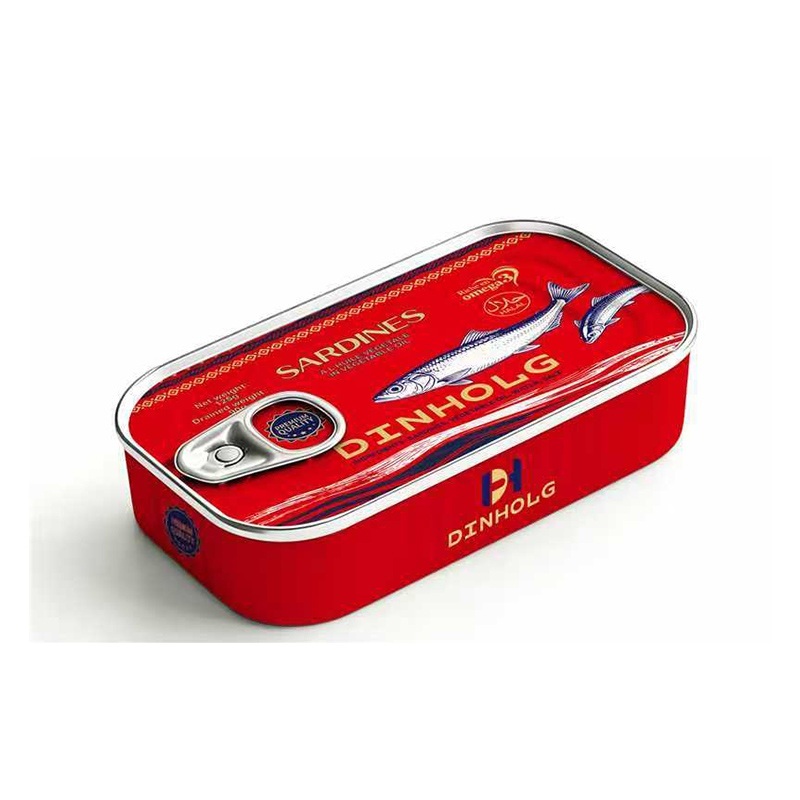
Use 125g Canned Sardines in Vegetable Oil as your benchmark SKU. This format shows how piece size, oil type, and unit count shape market fit. A 125g tin with three to four pieces works well for retail shelves and food service portions. Oil choice is both a buyer specification and a way to add value. Vegetable oil serves value channels, while olive oil supports premium positioning. Unit size affects price, and fish market studies show that larger size grades bring higher unit prices. Treat drained weight and piece count as part of your product specification, not something you add later.
Packing quality decides whether a lot makes it through distribution. Check that fish arrive whole, with no broken pieces or crushed tins. Fillets should bounce back when you touch them. Reject any lot that shows discoloration or darkening. Confirm the filler checks headspace and fill rate against the sterilization schedule. Look for product residue on can flanges, because residue can break the airtight seal. Sampling plans for automatic filling lines give you a written record.
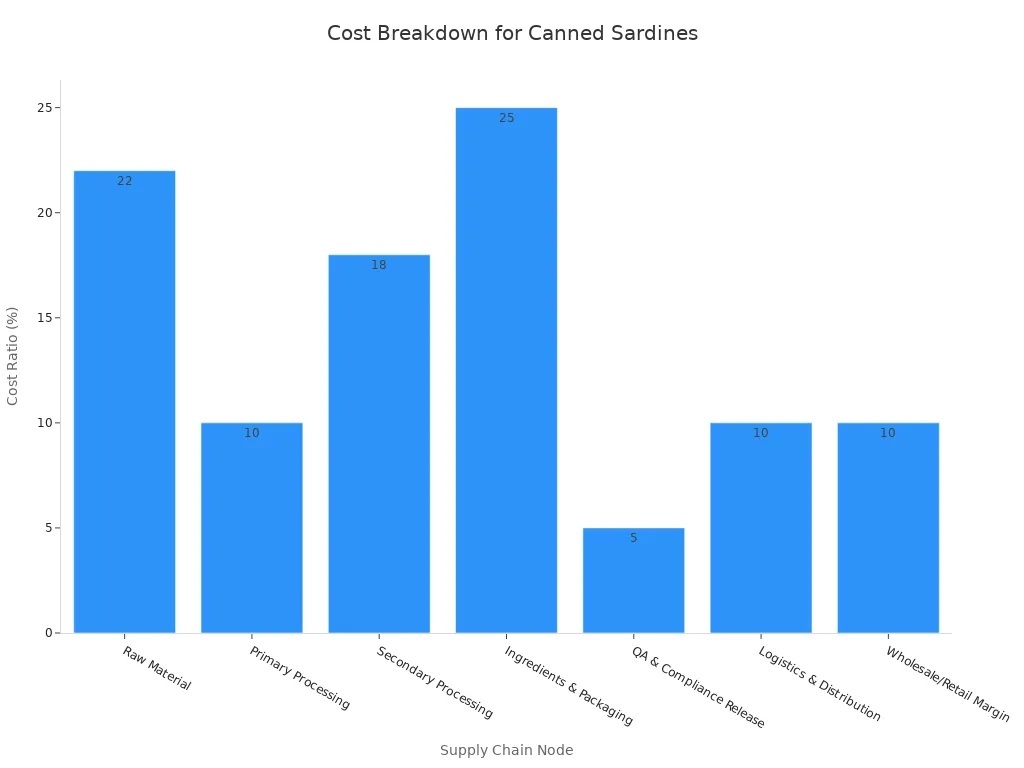
Cost structure matters when you compare quotes for wholesale canned fish. Packaging and ingredients make up the largest share of final cost, so tinplate and easy-open ends drive price more than the fish itself.
Shelf Life and Labeling
Expect 24 to 36 months of shelf life at room temperature, with no cold chain needed. Store cases at 5–25°C with humidity below 75%. Run a 37°C incubation check before release. Case setup should match your handling equipment and pallet pattern.
Label rules change by destination. The United States requires FDA Food Canning Establishment registration and a scheduled process filing for low-acid canned foods. The European Union applies Regulation (EU) 2024/3115, effective January 2025, with tighter traceability for imported preserved foods. Malaysia, Indonesia, the Gulf, and North African markets require halal certification, such as MS1500:2019, scoped to the specific item. BRCGS certification is site- and product-specific, so confirm the certificate names your SKU.
Premium segments look for sourcing claims. Note that no added growth hormones or antibiotics are used in seafood, and all seafood should trace back to its farm or fishery. DINHOLG can align these claims with your label plan for wholesale canned fish across multiple markets.
Wholesale Frozen Whole Tilapia Criteria
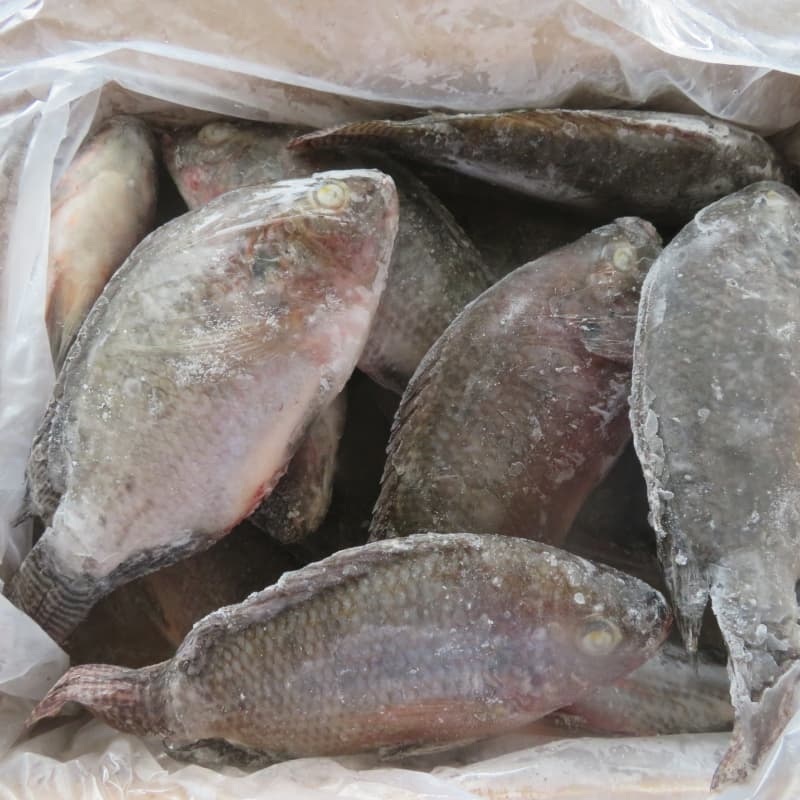
Frozen whole tilapia works well for wholesalers who sell to traditional markets and for buyers who like fish in its whole form. Tilapia fillets serve other groups, like retail packs and food service cuts. Your choice between frozen whole tilapia and tilapia fillets should follow what the buyer wants, not the price list. DINHOLG supplies Wholesale Frozen Whole Tilapia Fish along with its canned lines, so you can match the form to the channel.
Size, Glaze, and Pack
Compare processing forms before you compare price. Whole tilapia comes as whole round, whole gutted, whole scaled, head-on gutted, headless gutted, or butterfly cut. Tilapia fillets come skin-on, skinless, boneless, trimmed, and in IQF or block form. Confirm the exact product form, size range, and gutting style in writing.
Size grading drives resale value. Common frozen tilapia sizes run 200–300 g, 300–500 g, 500–800 g, 800–1000 g, and 1–2 kg, with custom bands available. Stable whole tilapia sizes let wholesale and catering buyers plan portions. Tilapia fillets need their own grade bands.
Glazing protects the fish, but too much ice cuts net weight. Compare glazing percentage at 0%, 5%, 10%, 15%, 20%, 25%, or a custom level. A protective ice glaze of 10–15% is common for export packs, and you should check the glazing percentage against the order before production. A second protective ice glaze check at loading protects your net weight claim.
Packing specifications cover bulk or retail packs, inner PE bags or vacuum packs, export cartons of 5, 10, 15, or 20 kg, private label, barcode printing, multilingual labels, palletization, and reefer containers at -18°C. Lock these product specifications into the quotation: product form, size range, net and gross weight, glazing percentage, freezing method, carton weight, lot format, destination documents, and inspection needs.
Bulk Frozen Tilapia Fish Quality Checks
Inspect bulk frozen tilapia fish against clear accept and reject limits.
|
Quality Check |
Acceptable |
Reject / Warning Sign |
|---|---|---|
|
Eyes |
Clear and bulging |
Cloudy or sunken eyes |
|
Flesh |
Firm and elastic when pressed |
Mushy or slimy texture |
|
Smell |
Mild and slightly briny |
Sour, rancid, or ammonia-like odor |
|
Frozen state |
Arrives frozen solid |
Water stains or large ice crystals |
|
Gills |
Bright red or pink |
Pale or gray gills |
Skin should look shiny and moist, and flesh color should stay white to light pink. A fishy odor signals trimethylamine buildup, with an acceptability limit around 10–15 mg TMA-N/100 g. One minor flaw may not be conclusive; several warning signs together justify rejecting the delivery.
Cold-chain integrity decides final quality. Temperature swings between -18°C and -12°C melt small crystals into large ones, which break muscle cells and cause drip loss. Hold storage within plus or minus 2°C, monitor continuously, and rotate stock first in, first out. Frozen seafood handled this way keeps its texture and shelf life.
Whole tilapia carries real value in cost-conscious markets. Whole fish can cost less per pound than tilapia fillets, and one fish supplies several meals, with bones and head going into stock. Fillets win on pure meat yield. Weigh that trade-off per market before you commit volume.
Pick a Frozen Whole Tilapia Supplier
Performance and Market Fit
Compare the two product types on how well they work before you order large amounts. Wholesale canned fish is best for shelf stability and needs no cold chain, so it works well for long distribution and retail shelves. Frozen whole tilapia is best for fresh-style protein and large food service, where buyers plan meals around whole fish. Tilapia fillets serve retail packs and portion-cut buyers, so match the form to the sales channel. A reliable frozen tilapia supplier will confirm which form fits your market instead of pushing one SKU.
Global demand for frozen fish keeps going up, and frozen processed fish leads product types in the fish processing market. Plan your volume around that trend, not around a single quote. DINHOLG notes that bulk tilapia orders usually ship within two to four weeks from order confirmation, which covers processing, packing, and container loading. Seasonal demand and harvest cycles can change schedules, so confirm timelines before you commit.
Compliance and Total Cost
Regulatory compliance changes by destination. Frozen fish entering the EU needs species-specific health certification, and the exporting establishment must hold MPEDA-registered EU establishment approval. Full traceability from farm to container is required. For China-origin frozen tilapia exported to the United States, the main trade-blocking risk is US FDA Import Alert 16-124, which allows detention without physical examination of aquaculture seafood due to unapproved drugs. Shipments may be held at the border until the issue is resolved.
Total cost goes beyond purchase price per kilogram. Weigh glazing percentage against real net cost, freight, and duties. Whole tilapia carries value in cost-conscious channels because one fish supplies several meals, and usable yield beats a trimmed fillet on cost per serving. DINHOLG supports buyers across wholesale canned fish and frozen tilapia in bulk, with buyer guides on glazing, sizing, and cold chain. Build your frozen tilapia procurement checklist around product specification, compliance, and usable product yield before you request quotes.
Start by defining your market. Next, apply the right criteria to each product. Then compare your options on performance, fit, compliance, and cost.
Wholesale canned fish works best for shelf-stable retail and long distribution. Frozen whole tilapia works best in food service and traditional markets. Whole tilapia fits cost-conscious channels, where one fish feeds several meals. Buyers who prefer whole tilapia plan portions by size grade. Each one wins in its own segment, and DINHOLG supplies both.
Build a simple market-to-product checklist before you ask for quotes. List your channel, size grade, pack format, and documents. Then match wholesale frozen whole tilapia or canned lines to that list.
FAQ
Which product fits my market better?
Match the product to your sales channel. Wholesale Canned Fish works well for shelf-stable retail and long distribution. Frozen whole tilapia works well for food service and traditional markets. Buyers who like whole tilapia plan portions by size grade. DINHOLG supplies both lines.
How long can I store each product?
Canned lines last 24 to 36 months at room temperature. Store cases at 5–25°C with humidity below 75%. Frozen whole tilapia must be stored at -18°C. Run a 37°C incubation check before release. Confirm label rules for your destination, including FDA registration or halal certification. 125g Canned Sardines in Vegetable Oil is a reliable benchmark SKU.
Which size grades should I order?
Common frozen tilapia sizes run from 200–300 g up to 1–2 kg. Stable whole tilapia sizes let catering buyers plan portions. Whole tilapia also comes head-on gutted or headless gutted. Tilapia fillets need their own grade bands. Confirm the exact size range and gutting style in writing before production.
How do I check glaze and quality?
Compare glazing percentage against net weight. A 10–15% protective ice glaze is common for export packs. Too much ice cuts your net weight claim. Check whole tilapia for clear eyes and firm flesh. Reject whole tilapia with a sour or ammonia-like smell.
How do I choose a supplier?
Confirm compliance first. EU-bound frozen tilapia needs species-specific health certification and full traceability. Ask whether the supplier holds stock across both categories. DINHOLG supports Wholesale Frozen Whole Tilapia Fish and canned lines. A reliable whole tilapia supplier confirms which form fits your market, and a good tilapia partner plans volume around demand.